Steel Structure Warehouses: A Practical Choice for Modern Warehousing
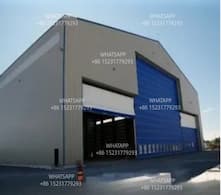
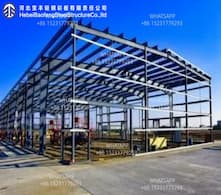
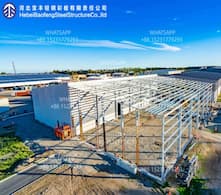
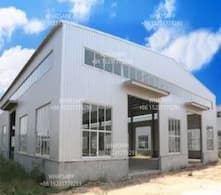
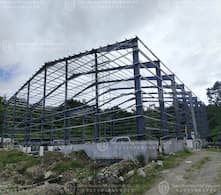
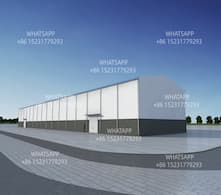
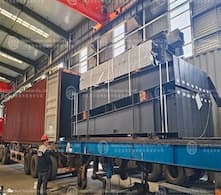
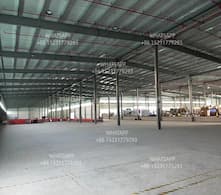
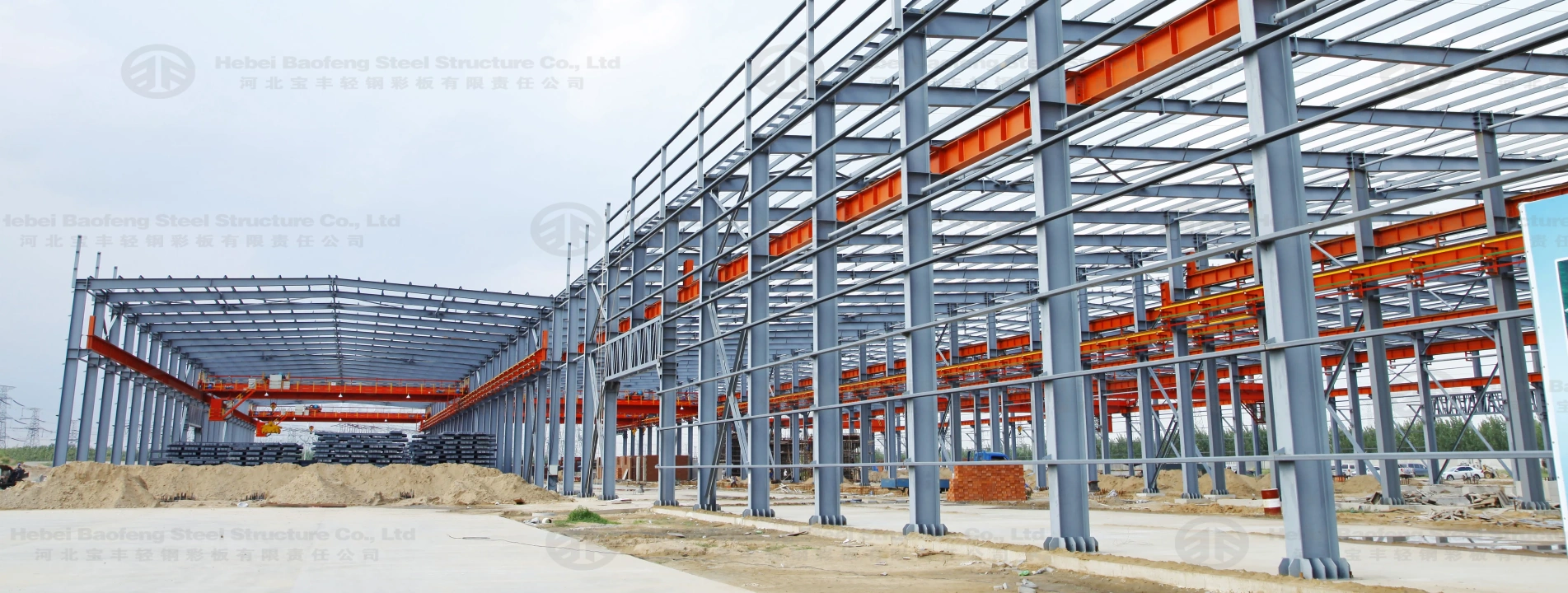
Steel Structure Warehouses: A Practical Choice for Modern Warehousing With the continuous development of the economy and the rapid rise of the logistics industry, warehousing facilities, as a crucial link in supply chain management, are ushering in unprecedented development opportunities. Among various warehousing building forms, steel structure warehouses, with their significant advantages such as high efficiency, environmental friendliness, and flexibility, are gradually becoming the preferred choice for industries such as manufacturing, logistics, and e-commerce, quietly changing the traditional warehousing landscape. Recently, reporters visited several logistics companies and construction companies to conduct in-depth research on the performance of steel structure warehouses in practical applications, exploring the underlying development logic and industry trends. I. Fast Construction Speed, Helping Enterprises "Save Time" At a newly built logistics base located in the XX Industrial Park, a 20,000-square-meter steel structure warehouse was completed in just 75 days and is now in operation. “Traditional concrete warehouses take at least 5-6 months to build, while steel structures, prefabricated in the factory and assembled on-site, significantly shorten the construction period,” explained Manager Li, the project manager. “For e-commerce companies, earlier operation means earlier profits.” Industry data shows that the construction cycle of steel structure warehouses is 40%-60% shorter than traditional buildings, making them particularly suitable for warehousing expansion needs before major e-commerce promotions like “Double Eleven” and “618.” This “build and use immediately” characteristic gives them a strong adaptability to rapidly changing markets. II. Flexible Space, Meeting Diverse Storage Needs Stepping into the intelligent warehousing center of a well-known express delivery company, towering shelves are neatly arranged, with automated sorting equipment moving among them. This warehouse adopts a large-span steel structure design with no load-bearing walls inside, and a maximum span of over 60 meters, providing ample space for the operation of automated equipment. “Steel structures allow for large-space, column-free designs, which not only improves space utilization but also facilitates future functional adjustments,” said Wang, a technical expert. “Future warehouses may shift from storage to integrated sorting, packaging, and distribution, and the adaptability of steel structures makes this transformation possible.” Furthermore, steel structure warehouses can be modularly expanded according to enterprise needs. Expansion can be achieved simply by adding standard components, avoiding the high costs and resource waste associated with traditional demolition and reconstruction. III. Green and Environmentally Friendly, Aligning with Sustainable Development Trends Under the backdrop of “dual carbon” goals, green building has become the mainstrea...
- Dec 27, 2024


 IPv6 network supported